
A roofing emergency never happens at a convenient time. Whether it’s a sudden leak during a storm, wind damage from severe weather, or a tree limb that didn’t miss the house, the first 24 hours matter more than most homeowners realize. What’s done—or not done—right away can significantly impact the condition of the home and the scope of repairs needed.
As a roofing contractor specializing in roof installation and repair, this guide walks Charlotte homeowners through exactly what to do after unexpected roof damage, how to protect the home, and how to move forward with confidence.
Step One: Stay Safe and Assess the Situation
Safety always comes first. Roofing emergencies often happen during storms or high winds, which makes conditions dangerous.
What Homeowners Should Do Immediately
- Stay inside if weather conditions are severe
- Avoid rooms where ceilings are sagging or actively leaking
- Keep clear of fallen power lines or debris
- Do not climb onto the roof during a storm
Even if damage looks minor from the ground, it’s important not to take risks. Roof surfaces can be slippery, unstable, or structurally compromised.
What to Look for From the Ground
Without getting on the roof, homeowners can still check for:
- Missing or visibly damaged shingles
- Sections of roofing lifted or flapping
- Debris on the roof or around the property
- Water dripping from ceilings or light fixtures
These are strong indicators that emergency roof repair in Charlotte NC may be needed.
Step Two: Minimize Interior Damage
Once it’s safe, the next priority is protecting the inside of the home.
Contain Active Leaks
If water is entering the home:
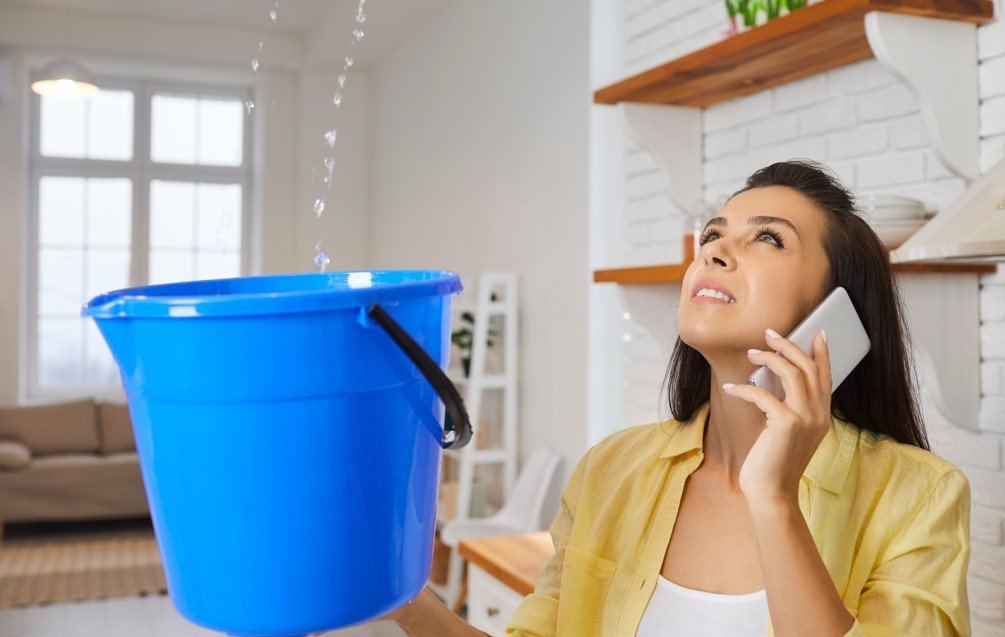
- Place buckets or containers under leaks
- Move furniture, electronics, and valuables away from affected areas
- Use towels or plastic sheeting to protect floors
Catching water early can help reduce damage to ceilings, flooring, and personal belongings.
Relieve Ceiling Pressure
If a ceiling begins to bulge with trapped water, carefully puncturing the lowest point can allow water to drain in a controlled way. This can prevent the ceiling from collapsing and causing wider damage.
Step Three: Document the Damage
Documentation is a critical step many homeowners overlook in the chaos of a roofing emergency.
Why Documentation Matters
Photos and videos taken as soon as possible help establish:
- The cause of the damage
- The extent of the issue
- The timeline of events
This documentation is helpful when discussing next steps with roofing professionals and may be important if an insurance claim is involved.
What to Document
- Exterior roof damage (from a safe distance)
- Interior water intrusion
- Damaged personal property
- Debris or fallen materials
Step Four: Avoid Temporary Fixes That Can Make Things Worse
In an emergency, it’s tempting to attempt a quick DIY fix. Unfortunately, many temporary solutions end up causing more harm than good.
What to Avoid
- Climbing onto the roof without proper equipment
- Nailing down loose shingles incorrectly
- Using household sealants not designed for roofing
- Ignoring ventilation and water pathways
Improper fixes can trap moisture or create new entry points for water. Emergency situations require professional evaluation.
Step Five: Contact a Qualified Roofing Professional
Once the situation is stabilized, it’s time to bring in a professional who understands local roofing conditions and emergency response.
Working with a licensed roofer in Charlotte, NC ensures the repair process follows local codes and proper installation standards. Licensing, insurance, and experience matter most during emergencies when decisions need to be made quickly and correctly.
What a Professional Emergency Inspection Covers
A thorough emergency roof inspection typically includes:
- Identifying the source of the damage
- Assessing underlying structural issues
- Checking flashing, decking, and ventilation
- Recommending immediate and long-term solutions
This step is essential before determining whether roof repair in Charlotte NC is sufficient or if more extensive work is required.
Step Six: Understand Repair vs. Replacement After an Emergency
Not every roofing emergency leads to full replacement, but some situations make it the safest option.
When Emergency Repairs May Be Enough
Repairs may be appropriate when:
- Damage is localized
- Roofing materials are otherwise in good condition
- The roof is not near the end of its lifespan
Temporary protective measures may be used until permanent repairs can be completed under safe conditions.
When Replacement Becomes Necessary
Replacement may be recommended if:
- Damage is widespread across the roof
- Water has compromised decking or insulation
- The roof has a history of repeated repairs
- Storm damage has reduced overall roof integrity
Why Charlotte Weather Increases Emergency Roofing Risks
Charlotte’s weather plays a major role in roofing emergencies. Heavy rain, high humidity, strong winds, and seasonal storms can expose weaknesses in aging roofs quickly.
Poor drainage, worn materials, or improper installation often reveal themselves during extreme conditions. That’s why proactive maintenance and timely repairs are so important for homeowners in the region.
Local Experience Matters During Emergencies
Emergency roofing isn’t just about fixing what’s broken—it’s about understanding how Charlotte homes are built and how roofs perform in local conditions.
While serving homeowners throughout the Charlotte area, the team is based in Lincolnton, NC, bringing dependable service and regional expertise when it matters most.
Need Help After Roof Damage? Take the Next Step Now
Get Professional Emergency Roof Help From a Trusted Local Team
If your home has suffered roof damage and you’re unsure what to do next, getting professional guidance quickly can make all the difference.
For dependable roof installation and repair and prompt emergency roofing support in the Charlotte area, contact Stevens HomeBuilding Group LLC at 704-995-4582 to ask for a quote or estimate and get clear direction on protecting your home.